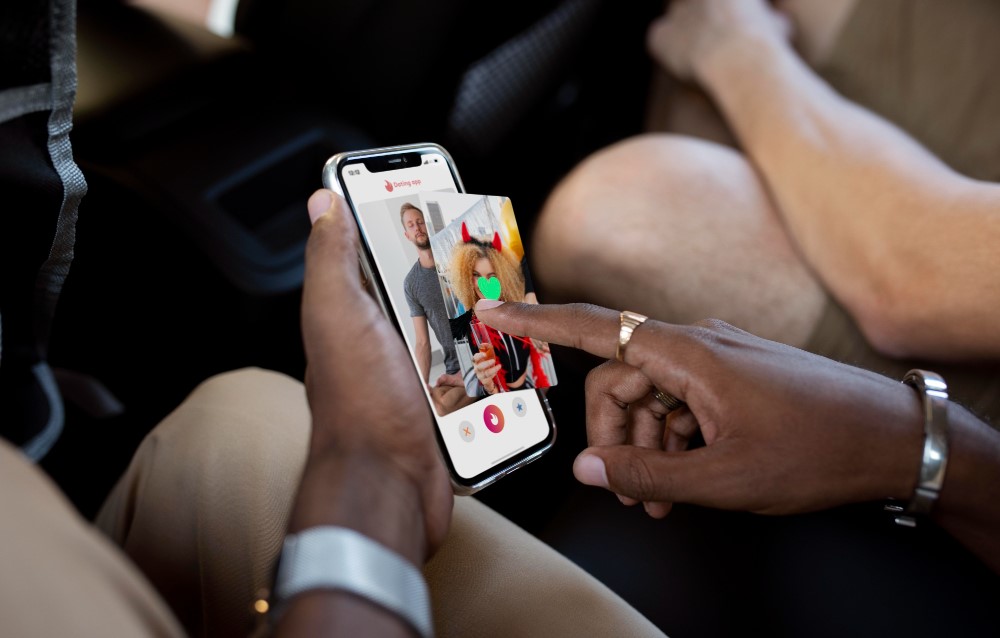
Geolocation, artificial intelligence, big data, augmented reality… understand how the digital revolution is shaping modern love.
Introduction
It's no exaggeration to say that the way we meet, interact with, and connect with other people has radically changed in the last 10 years—all because of technology. Relationships that once depended on physical proximity now happen through screens, sensors, and algorithms.
In this article, we will explore how emerging technologies are transforming affection in real time — and what the impacts of this are on the present (and future) of digital love.
1. Geolocation: increasingly precise encounters
Thanks to smartphone GPS, apps like Happn and Tinder can show you profiles that are literally right next to you. This created the idea of the "next-door match"—someone you might meet at the corner café without even knowing it.
- 📍 Impact: greater sense of closeness and opportunity for spontaneous encounters
2. Big Data and cross-referencing profiles
The amount of data that apps collect (age, interests, usage time, conversations, location, etc.) is used to feed algorithms that calculate compatibility probabilities.
- 📊 Impact: increased accuracy of matches, but also a reduction in the diversity of suggestions.
3. Augmented reality and gamification
Some experimental apps use augmented reality to display profiles or create dating experiences with virtual elements (e.g., live filters, avatars in real-world environments, achievement badges).
- 🎮 Impact: Makes dating more playful and interactive, especially for Generation Z.
4. AI-powered virtual assistants
On this side of the app, generative AI helps create bios, profile pictures, and even suggests messages based on each person's conversation style. Soon, we'll have "dating agents" that act as emotional co-pilots.
- 🤖 Impact: Improves users' self-confidence, but may lead to dependency or emotional deception.
5. Emotional Biometrics and Sensory Interfaces
Companies like Apple, Meta, and VR startups are already developing ways to capture body signals (heartbeat, facial expression, pupils) to improve digital interactions and predict emotional reactions.
- 🧠 Impact: It enhances virtual empathy, but raises debates about emotional privacy.
6. The risk of hyperpersonalization
With so much technology filtering behaviors and tastes, there is a risk of falling into "affective bubbles"—only seeing profiles that confirm your patterns, with no room for the new or different.
- ⚠️ Warning: the best match isn't always the one the algorithm predicts.
Quick summary
- 📲 Geolocation, AI, and big data are shaping how you meet and choose partners.
- 🧬 Technology helps, but it also filters, limits, and influences your decisions.
- 🔮 The future of love will be hybrid: between data and real emotions.
Conclusion
Technology is no longer "an extra" in relationships—it's an active part of building bonds. Understanding how it works is essential for using it consciously, avoiding excesses, and cultivating real connections in the digital world.
Final tip: Use technology as a bridge, not a wall. The algorithm shows the way—but you make the choice.
Continue exploring
Node DateMobs, Here, you'll discover how digital technology is transforming the way we love, talk, and connect. Stay up-to-date on the latest trends in this category. Technology.